ㅤㅤㅤㅤㅤㅤㅤㅤㅤㅤㅤㅤㅤㅤㅤㅤㅤㅤㅤㅤㅤㅤHistory Of Cheese
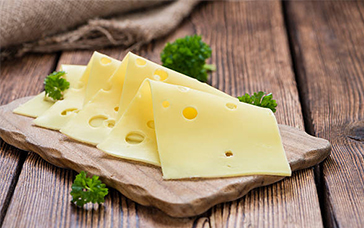 Cheese-making dates back over 4,000 to 8,000 years, likely originating in the Neolithic period
(c. 8000 BCE) when storing milk in animal stomach pouches—containing natural rennet—caused it to
curdle. Developed to preserve milk, this ancient food spread across the Middle East and Europe,
becoming a staple in Roman diets before evolving into the massive industry of today.
During the Middle Ages, European monks were pivotal in creating many classic cheese varieties
(e.g., Munster, Roquefort, Parmesan) while perfecting techniques in monasteries, it became a vital,
preservable source of nutrition, especially popular in European, Middle Eastern, and North African diets.
Cheese-making dates back over 4,000 to 8,000 years, likely originating in the Neolithic period
(c. 8000 BCE) when storing milk in animal stomach pouches—containing natural rennet—caused it to
curdle. Developed to preserve milk, this ancient food spread across the Middle East and Europe,
becoming a staple in Roman diets before evolving into the massive industry of today.
During the Middle Ages, European monks were pivotal in creating many classic cheese varieties
(e.g., Munster, Roquefort, Parmesan) while perfecting techniques in monasteries, it became a vital,
preservable source of nutrition, especially popular in European, Middle Eastern, and North African diets.
Key Historical Events
- Accidental Discovery (c. 8000–3000 BCE)
- Industrialization (19th Century)
- Standardization (20th Century)
Different Cheeses
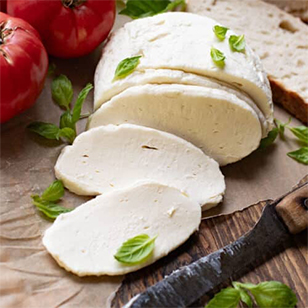 There are over 1,800 types of cheese, generally classified by texture (soft to hard),
milk source (cow, sheep, goat), and production method. Key facts include cheese being
a fermented, nutrient-dense food high in calcium and protein. Hard cheeses like Parmesan
are aged longer for intense flavor, while soft cheeses like Brie contain higher moisture
and bloom with mold.
There are over 1,800 types of cheese, generally classified by texture (soft to hard),
milk source (cow, sheep, goat), and production method. Key facts include cheese being
a fermented, nutrient-dense food high in calcium and protein. Hard cheeses like Parmesan
are aged longer for intense flavor, while soft cheeses like Brie contain higher moisture
and bloom with mold.
- Cheddar: An English cheese made using a "cheddaring" process where cut curds are piled to remove moisture.
- Mozzarella: Traditionally made from buffalo milk in Italy, this is a stretched-curd cheese (pasta filata).
- Brie & Camembert: Soft-ripened, "bloomy rind" cheeses, where mold (Penicilliumcamemberti) breaks down the cheese to make it creamy.