Industrialization of Cheese
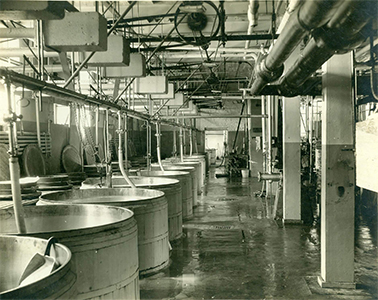
The industrialization of cheese transformed it from a localized, seasonal, and highly variable craft into a standardized, high-volume global industry. This shift involved the mechanization of production, advancements in science (specifically regarding bacteria and pasteurization), and the development of large-scale factory infrastructures.- Geraldine Co-operative Dairy Company Factory (1884): Oldest existing dairy factory building in New Zealand.
- Barrys Bay Dairy Factory (1895): This factory has been producing cheese for over 125 years.
- Marin French Cheese Co. (1865): Known as the oldest continuously operating cheese manufacturer in the US
Cheese Factories
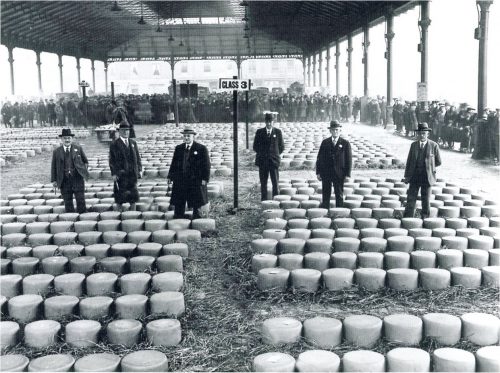 The first dairy factories appeared in the 1850s, allowing for the consolidation of milk supplies.
The first New Zealand factory, for example, was established in 1871, coinciding with a global trend.
Joseph Harding of Somerset, England, revolutionized cheesemaking in the mid-19th century by systemizing
Cheddar production, creating predictable, cleaner, and more consistent methods.
The 1960s saw a massive boom in engineering for cheesemaking equipment, introducing automation in curd
handling, pressing, and processing, which dramatically increased efficiency of cheesemaking.
Industrialization brought pasteurization, which reduces the risk of bacteriological contamination. It
also relies on purified, standardized starter cultures to ensure predictable, uniform results, which are
vital for meeting large-scale demand.
The first factory in New Zealand was established in 1871, coinciding with a rapid rise in global
industrialization. Wisconsin, for example, saw a boom in commercial cheese factories, peaking in 1922.
The first dairy factories appeared in the 1850s, allowing for the consolidation of milk supplies.
The first New Zealand factory, for example, was established in 1871, coinciding with a global trend.
Joseph Harding of Somerset, England, revolutionized cheesemaking in the mid-19th century by systemizing
Cheddar production, creating predictable, cleaner, and more consistent methods.
The 1960s saw a massive boom in engineering for cheesemaking equipment, introducing automation in curd
handling, pressing, and processing, which dramatically increased efficiency of cheesemaking.
Industrialization brought pasteurization, which reduces the risk of bacteriological contamination. It
also relies on purified, standardized starter cultures to ensure predictable, uniform results, which are
vital for meeting large-scale demand.
The first factory in New Zealand was established in 1871, coinciding with a rapid rise in global
industrialization. Wisconsin, for example, saw a boom in commercial cheese factories, peaking in 1922.