Angina
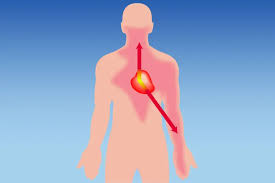
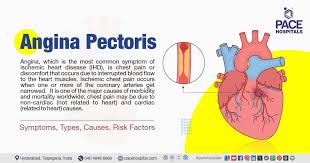
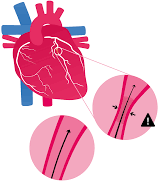
angina is a type of chest pain that happens when the heart muscle doesn’t get enough oxygen-rich blood. This usually occurs because the coronary arteries, which supply blood to the heart, are narrowed or blocked by a buildup of fatty deposits (a condition called atherosclerosis). Angina often feels like pressure, tightness, or squeezing in the chest, and it may also spread to the shoulders, arms, neck, jaw, or back. It is not a disease itself but a symptom of an underlying heart problem, most commonly coronary artery disease. Angina can be triggered by physical activity, stress, cold weather, or heavy meals—anything that makes the heart work harder and need more oxygen. There are different types, such as stable angina, which follows a predictable pattern, and unstable angina, which is more sudden and serious and may signal an increased risk of a heart attack. Treatment focuses on improving blood flow to the heart and may include medications, lifestyle changes, and in some cases medical procedures. Managing risk factors like smoking, high blood pressure, and high cholesterol is important to reduce the chances of complications.
for more information, you could try searching google or wikipedia
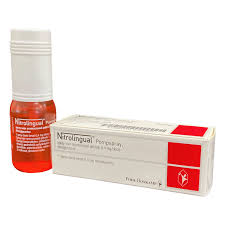
If someone is experiencing angina, the first step is to help them stop what they are doing and rest in a comfortable, seated position. Staying calm is important, as stress can make symptoms worse. If they have been prescribed medication like nitroglycerin, help them take it as directed (usually under the tongue). The pain should begin to ease within a few minutes. If the pain lasts longer than about 5–10 minutes, becomes more severe, or does not improve after medication, it could be a sign of a heart attack, and emergency medical help should be called immediately. Treatment for angina focuses on improving blood flow to the heart and reducing strain on it. This often includes medications such as nitrates (like nitroglycerin), beta-blockers, or calcium channel blockers to relax blood vessels and lower the heart’s workload. Doctors may also recommend lifestyle changes like quitting smoking, eating a healthy diet, exercising safely, and managing stress. In more serious cases, medical procedures such as angioplasty or bypass surgery may be needed to open or reroute blocked arteries. With proper treatment and management, many people with angina can control their symptoms and reduce the risk of complications.
for more information, you could try searching google or wikipedia