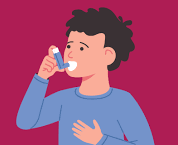
Astma information
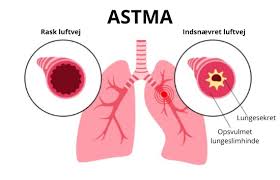
Asthma is a long-term condition that affects the airways in the lungs, which are the tubes that carry air in and out of your body. In people with asthma, these airways are more sensitive than usual and can become inflamed (swollen) and narrowed when triggered by things like dust, pollen, cold air, exercise, or respiratory infections. This narrowing makes it harder for air to flow freely, which can lead to symptoms such as coughing, wheezing (a whistling sound when breathing), chest tightness, and shortness of breath. Asthma can range from mild to severe, and while it cannot be cured, it can usually be managed with medication and by avoiding triggers. When asthma affects the body, the muscles around the airways tighten, the lining inside the airways swells, and extra mucus is produced. These changes make the airways smaller, so less oxygen reaches the lungs and bloodstream. During an asthma attack, these effects become more intense, making breathing very difficult and sometimes dangerous if not treated quickly. Over time, if asthma is not well controlled, it can interfere with daily activities and sleep, but with proper treatment—such as inhalers that open the airways and reduce inflammation—most people with asthma can live normal, active lives.
for more information, you could try searching google or wikipedia

Treatment for asthma focuses on keeping the airways open and reducing inflammation so symptoms don’t get worse. Most people use inhalers, which deliver medicine directly into the lungs. There are two main types: reliever inhalers (often called “rescue” inhalers) that quickly relax the airway muscles during an attack, and preventer inhalers that are used daily to reduce swelling and stop symptoms before they start. In some cases, doctors may also prescribe tablets or other treatments for more severe asthma. It’s important for patients to follow their doctor’s instructions and use their medication regularly, even when they feel well. To stay safe, people with asthma should learn what triggers their symptoms—such as smoke, dust, pollen, cold air, or exercise—and try to avoid or manage them. Having a written asthma action plan from a healthcare provider helps patients know what to do if symptoms get worse. They should always carry their reliever inhaler, monitor their breathing, and seek medical help if symptoms don’t improve. Staying active, keeping a healthy lifestyle, and getting regular check-ups can also help keep asthma under control and reduce the risk of serious attacks.
for more information, you could try searching google or wikipedia