Type 1 and 2
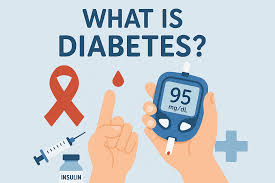
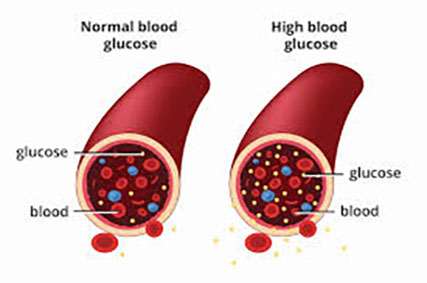
Diabetes is a long-term medical condition that affects how your body regulates blood sugar (glucose), which is an important source of energy. It happens when the body either doesn’t produce enough insulin or can’t effectively use the insulin it makes. Insulin is a hormone that helps move glucose from the bloodstream into the body’s cells. When this process doesn’t work properly, glucose builds up in the blood, which can lead to symptoms like increased thirst, frequent urination, fatigue, and blurred vision. There are different types of diabetes, with the most common being Type 1 Diabetes, where the body’s immune system attacks insulin-producing cells, and Type 2 Diabetes, where the body becomes resistant to insulin or doesn’t produce enough of it. Over time, unmanaged diabetes can lead to serious health complications, including heart disease, nerve damage, kidney problems, and vision loss. However, with proper management—such as healthy eating, regular physical activity, and medication if needed—many people with diabetes can live healthy lives.
for more information, you could try searching google or wikipedia

Keeping diabetes under control involves maintaining stable blood sugar levels through consistent daily habits. This includes eating a balanced diet with controlled portions of carbohydrates, choosing whole foods like vegetables, lean proteins, and whole grains, and staying physically active. Regular exercise helps the body use insulin more effectively and can lower blood sugar levels. Monitoring your blood glucose as recommended also helps you understand how your body responds to food, activity, and medication, allowing you to make informed adjustments. Treatment depends on the type of diabetes, such as Type 1 Diabetes or Type 2 Diabetes, but often includes medication alongside lifestyle changes. People with Type 1 diabetes require insulin therapy, while those with Type 2 may manage their condition with oral medications, insulin, or both. Regular check-ups with healthcare providers are important to monitor progress and prevent complications. Managing stress, getting enough sleep, and avoiding smoking also play a key role in keeping diabetes under control and supporting overall health.
for more information, you could try searching google or wikipedia