Overview of important components
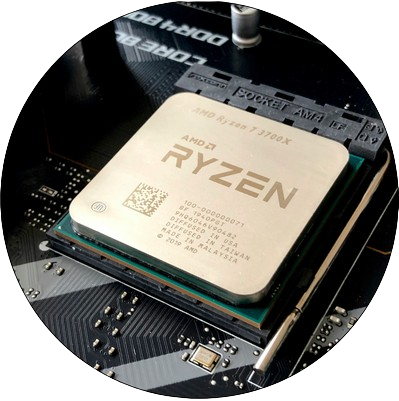
CPUs also know as Central Processing units are the main brains of your device whether it is a computer, laptop, tablet or a phone they all contain CPUs. They are responsible for controling everything that happens including managing the flow of data, and carrying out intructions given by the user, to everything your doing on your device. There are different types of CPU architecture the main three being x86, x64 and ARM. ARM CPUs the main ones being used for mobile devices such as in phones, tablets and recently laptops, ARM CPUs are known for being very power efficent with devices with ARM CPUs lasting for over a day of usage. While x86 and x64 CPUs are the main ones found in laptops, desktops and servers as they are powerful processors made for heavy workflows these ones are also easily upgradable, letting you change out your older generation CPU to a newer more recent one for more performance, examples of these include Intel's i3, i5, i7 and i9, although they have recently introduced ultra series CPUs them being the ultra 5, 7, 9 series. More examples include AMD's Ryzen series e.g Ryzen 3, 5, 7, and 9, also introduced recently being the AI series CPUs, being Ryzen AI 5, 7, and 9. With each CPU having different clock speeds, cores and cache. The most important one changes depending on your use case, gaming being clock speeds > cache > core count and workflows being core count > clock speeds > cache.
For more information, you could try searching Google or Wikipedia
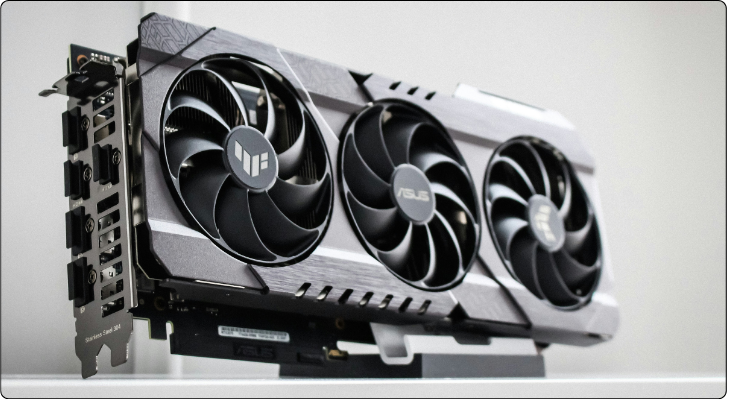
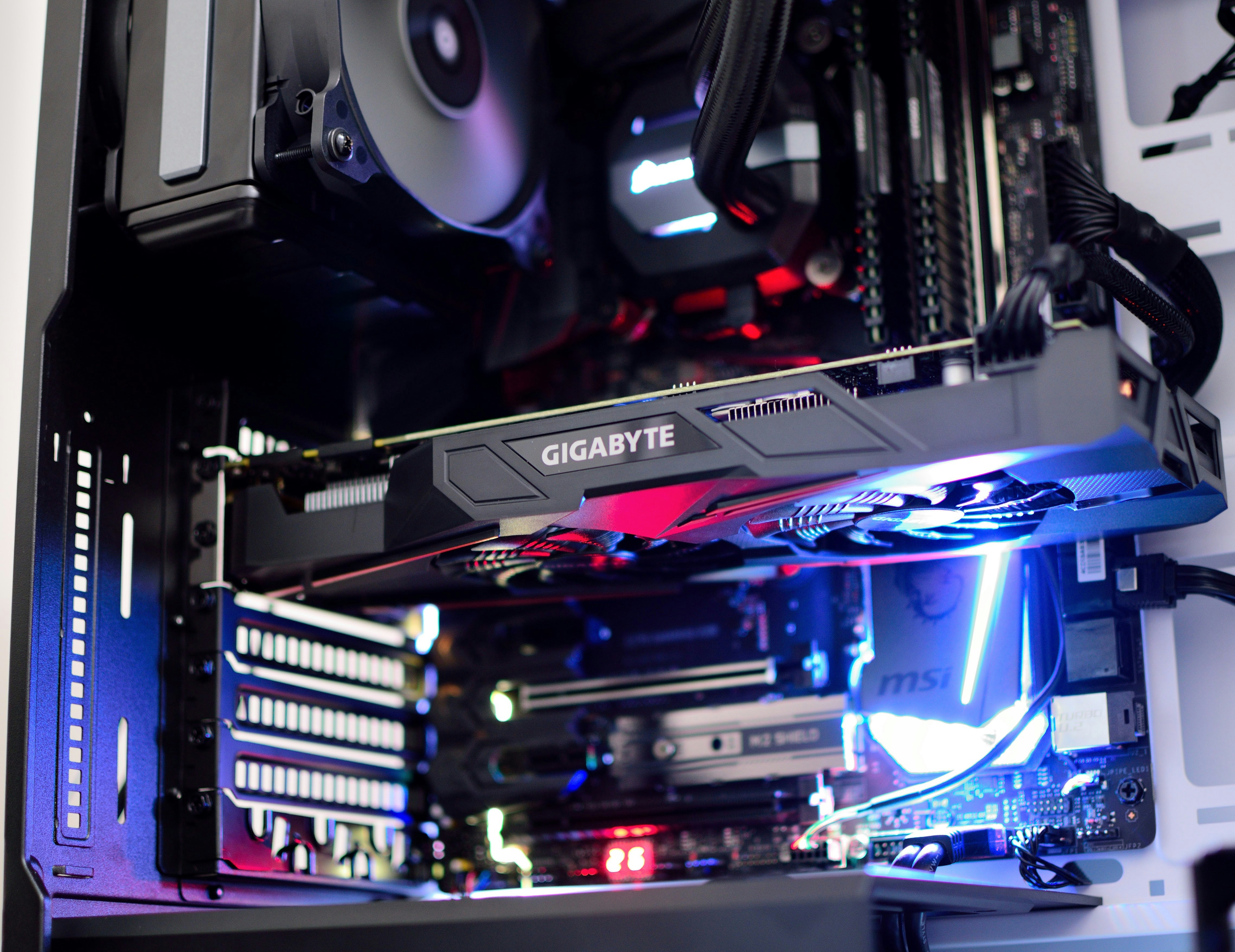
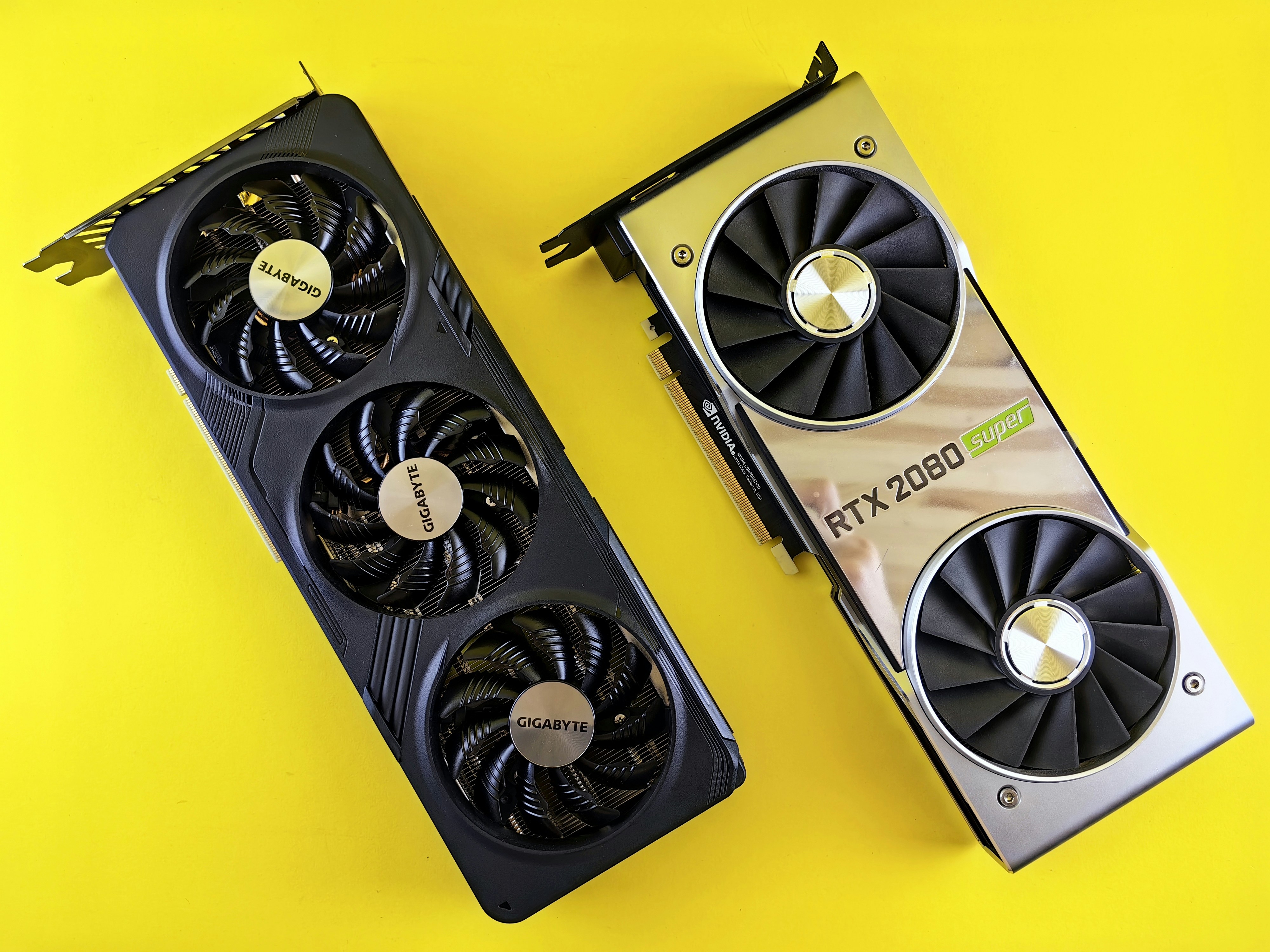
GPUs also known as Graphics Processing units are used for the display of your device, displaying everything that you can see on your screen is the usage of your GPU. GPUs are found in all devices that have a screen whether it is a tablet, laptop, phone, or even your TV, anything that requires an image to be displayed will require a GPU. With graphics cards coming from different manufacturers consisting of AMD (Advanced Micro Devices), NVIDIA being the mainstream ones and Intel following suit with their line of intergrated and discrete graphics. Each manufacturer has a benefit of using them, NVIDIA is well known in the AI industry for producing the best cards for AI workloads, powering AI data centers and LLMs (Large Language Models). They are also the main GPU provider for gamers bringing DLSS (Upscaling), RT (Ray Tracing), NVENC/NVDEC (Video encode/decode) and FG (Frames Generation). AMD is also another choice for people bringing better raw performance for people at a cheaper price, they are better known in the gaming sector of GPUs as they offer better performance than their NVIDIA counterparts but unfortunately they do not compete with NVIDIA's high-end graphics cards, they have announced that they are only focusing on mid-tiered graphics card in the newest generation being the RDNA 4 line up of cards (9060 XT, 9070, 9070 XT). Their features also cannot be forgotten as they have FSR Redstone (Upscaling), AFMF (Frame generation), SAM (Smart Access Memory) and HYPR-RX (combining FSR, AFMF and added latency redution).
For more information, you could try looking at AMD's Website or NVIDIA's Website