RAM
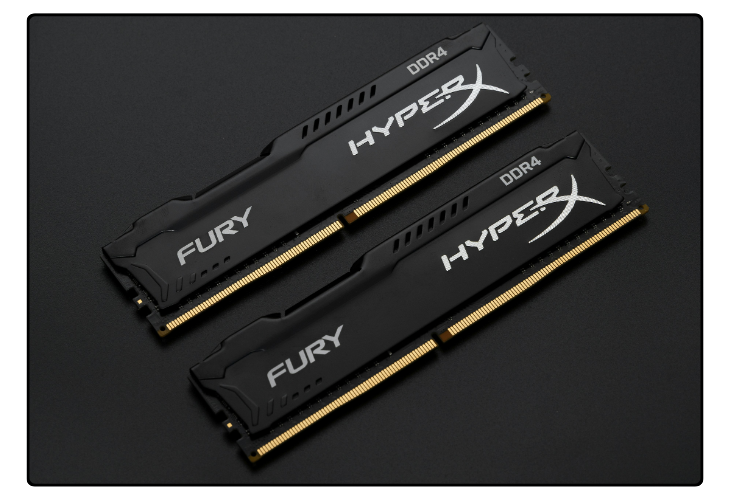
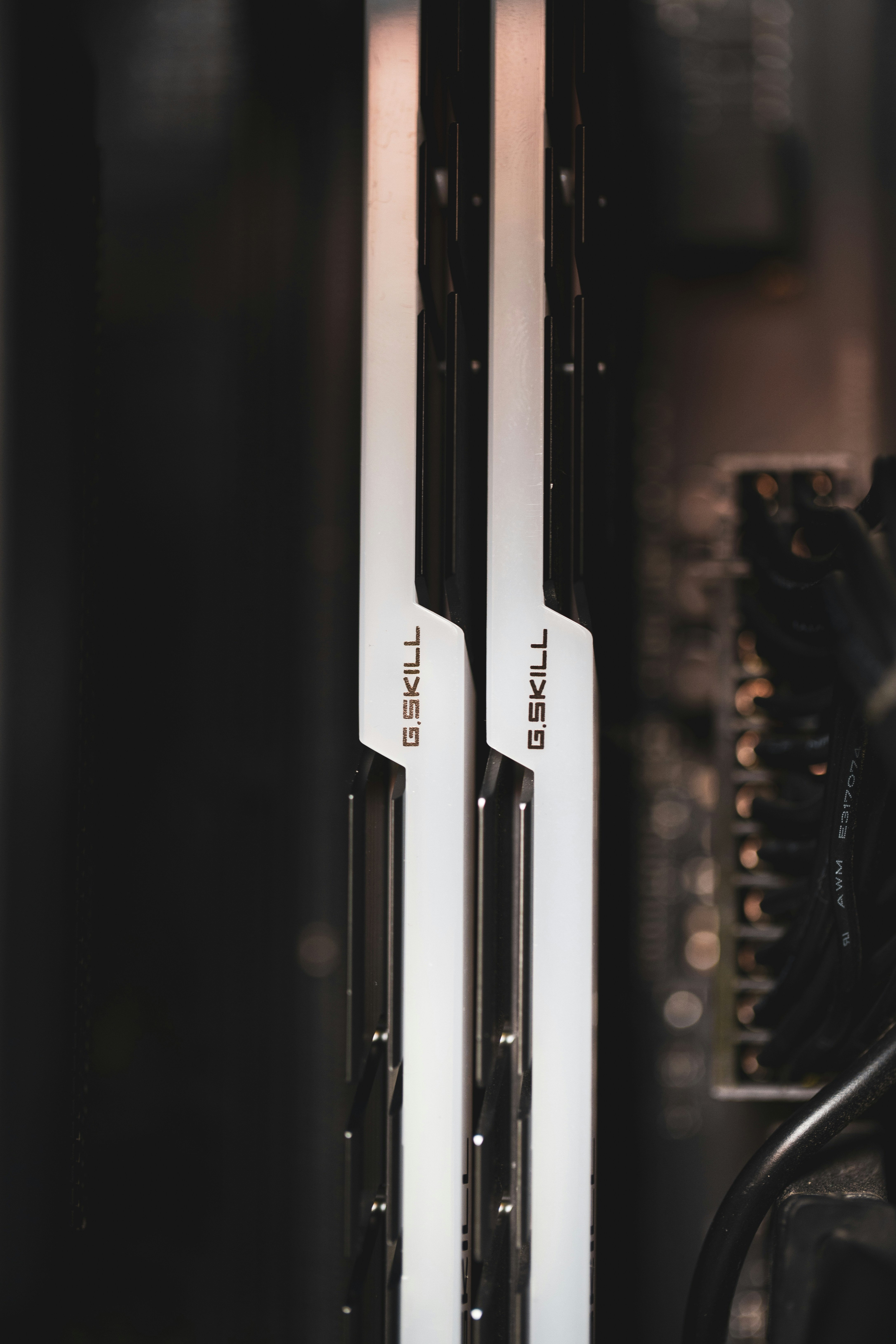
RAM otherwise known as Random Access Memory is like the short term memory of your computer, it comes in different forms such as DRAM and SDRAM. DRAM (Dynamic Random Access Memory) is the type of RAM that is used in most computers and requires constant power and refreshing to retain data, since it uses capacitors to save information that you computer needs. SDRAM (Synchronous Dynamic Random Access Memory) is a different to DRAM since it syncs itself with your CPU's clock speed which allows SDRAM to have faster data transfer rates and improves efficiency compared to the asynchronous DRAM. There are different types of RAM as there are the DDR (Double Data Rate) form factor and the soldered memory that is located on the physical motherboard which doesn't allow you to upgrade, although it is only found in devices as modern laptops, phones and tablets. The types DDR RAM are DDR, DDR2, DDR3, DDR4 and DDR5, there are also soldered RAM (LPDDR) found in modern laptops and mobile devices such as phones and tablets.
For more information, you could try searching Google or Wikipedia
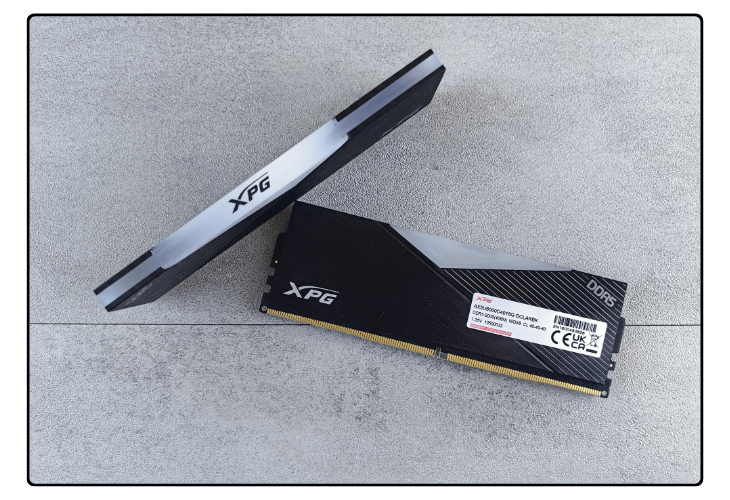
The speeds and timings of RAM are essential for a fluid system as they affect how fast your RAM responds to commands. Timings measured in CL (CAS latency) refers to the delay of your system's memory controller and how fast your RAM reacts to that instruction, the recommened CL rating for DDR4 is CL16 and for DDR5 the recommened CL rating is CL32. Speeds are measured in MHz/MT/s, MHz (Megahertz) measures the frequency equal to one cycle persecond or one million cycles in a second, MHz measures the frequency of digital signals in the form of square waves on a frequency reader, the peaks show when there is voltage while when it drops to the base it shows the absence of voltage. MT/s (Mega Transfers per second) where one mega transfer is the same as a megabyte of data, when measured in seconds it is more natural to evalute the speed of RAM.
For more information, you could try looking on Corsair's website or Kingston's website